
Grassroots Marketing Tactics for Neighborhood Awareness—Methods That Earn Familiarity Block by Block
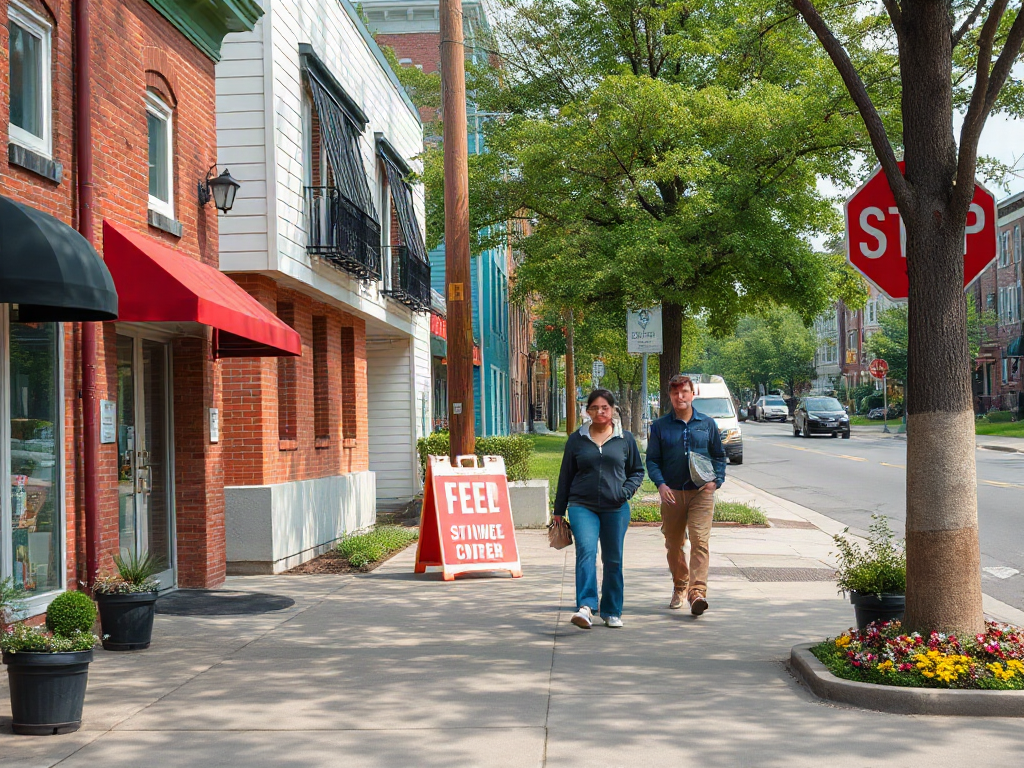
Grassroots marketing tactics build neighborhood awareness by making a business repeatedly visible through trusted places, familiar people, useful participation, and easy-to-remember messages. Effective methods include partnering with nearby organizations, appearing at community events, distributing tightly targeted print materials, encouraging customer referrals, and maintaining accurate neighborhood-facing digital profiles. Concentrating these efforts within a walkable or short-drive service area creates stronger recognition than scattering the same budget across a city. The central mistake is treating grassroots outreach as one-time promotion; familiarity grows when residents encounter the same business identity, offer, and contact path across several credible community touchpoints.
Define the Neighborhood and the Recognition Goal
A workable grassroots campaign begins with a precise geographic boundary and a specific form of recognition. “Reach everyone nearby” offers no basis for choosing locations, partners, messages, or spending. A neighborhood may instead be defined by a set of postal carrier routes, a school attendance area, several adjacent subdivisions, or the streets within a practical drive time of the business. The right boundary reflects how customers actually move rather than an arbitrary circle on a map.
Recognition also needs a concrete meaning. A new restaurant may want residents to associate its name with weekday lunch. A home-services company may need homeowners to remember one service category and a phone number. A professional practice may value introductions from community organizations more than raw logo exposure. Each goal calls for different grassroots marketing tactics for neighborhood awareness. Trying to communicate every service, credential, and promotion at once usually leaves residents unable to recall any of them.
Start by identifying where the desired audience already gathers and which needs occur close to the purchase decision. A family-oriented business might prioritize recreation leagues, libraries, school-adjacent organizations, and weekend events. A contractor serving older homes could focus on historic districts, neighborhood associations, hardware-store relationships, and seasonal maintenance conversations. This is more useful than choosing channels because they are inexpensive or traditionally considered “local.”
A compact planning brief can prevent wasted activity:
- Area: Name the streets, districts, or travel radius the campaign will cover.
- Audience: Describe the residents or property owners most likely to need the offer.
- Memory cue: Choose one service, occasion, or benefit residents should connect with the name.
- Response path: Use one clear next step, such as calling, visiting, booking, or bringing in a neighborhood offer.
- Time window: Run the effort long enough to create repeated encounters rather than judging a single appearance.
The common failure is expanding the footprint before earning recognition in the initial area. Ten concentrated placements around a few connected blocks can produce more meaningful familiarity than ten placements spread across unrelated districts. Density makes it more likely that a resident sees a sign, hears a neighbor mention the business, and later recognizes the same name online. Establish that overlap first, then extend into the next adjacent pocket.
Build Visibility Through Trusted Community Touchpoints
Community trust is transferred through participation, not rented automatically through proximity. A business gains useful visibility when it contributes to a place or activity residents already value. Neighborhood associations, independent retailers, recreation programs, libraries, community cleanups, faith communities, apartment managers, and nonprofit events can all be relevant, but only when the relationship fits the business and audience.
Partnerships work best as a fair exchange. A bakery could provide individually labeled refreshments for a volunteer morning while the organizer includes the bakery in event reminders. A bicycle shop might host a basic tire-check station at a neighborhood ride. A landscape company could supply disposal bags and collection tools for a cleanup rather than merely attaching its banner to the registration table. The useful service gives people a reason to notice and discuss the business without forcing a sales presentation into a community setting.
Choose partners according to audience overlap, credibility, and operational fit. High attendance alone is not enough. A large event drawing visitors from across a region may generate less neighborhood recognition than a modest recurring gathering attended by residents within the service area. Recurrence matters because the same participants can encounter the name several times. It also gives the business an opportunity to become known for a dependable contribution rather than a one-off sponsorship.
Personal conduct affects the result. Staff members should be able to explain the business in one natural sentence, answer practical questions, and direct interested people to a simple next step. Collecting contact details without clear permission, dominating an event with sales materials, or pressuring organizers for prominent promotion can damage the trust the partnership was meant to access. Useful presence should remain proportionate to the contribution.
Referral relationships require similar care. Nearby businesses can exchange introductions when their services complement each other and both sides are comfortable with the customer experience. A pet groomer and a pet-supply retailer, for example, have an understandable connection. Two unrelated businesses swapping stacks of flyers may create clutter rather than qualified attention. Before recommending another organization, verify its reliability and agree on how referrals will be handled.
A practical approach is to select two recurring community touchpoints and serve them consistently for a defined period. Document the questions people ask, the descriptions they use for the business, and the referrals that follow. Those observations can refine the message more effectively than assumptions made in an office. Additional grassroots marketing tactics for neighborhood awareness should be added only when the initial relationships can be maintained well.
Use Print, Events, and Digital Channels as One System
Neighborhood awareness becomes stronger when offline encounters and digital verification reinforce each other. Residents may first notice a yard sign, event table, door hanger, storefront poster, or referral card, then search for the business before acting. If the name, service description, location, hours, and contact information differ across those touchpoints, recognition turns into uncertainty.
Printed materials should be designed for the setting in which they are encountered. A poster viewed from several feet away needs a short headline, recognizable business name, and one response path. A door hanger can carry slightly more detail but still needs an immediate reason for being delivered to that street, such as a service day in the area or an opening-week offer. Referral cards should make the recommendation easy to explain. Dense service lists, several phone numbers, tiny QR codes, and competing calls to action reduce the chance of recall.
Distribution quality matters as much as design. Materials left in unauthorized places can create complaints, violate property rules, or associate the business with litter. Obtain permission from property owners and event organizers, respect posted solicitation restrictions, and avoid mailboxes unless using authorized postal methods. A smaller, approved placement in a relevant venue is usually more valuable than uncontrolled volume.
Events provide interaction but demand more labor. A booth should give residents something concrete to do: schedule a brief consultation, see a demonstration, enter an appropriately disclosed drawing, pick up a useful neighborhood-specific resource, or ask a service question. Branded giveaways may increase item distribution without increasing business recall. A simple demonstration connected to the actual offer is often more memorable than a table covered with promotional objects.
Digital support should confirm what residents saw offline. Keep the business profile, website, map listing, and social pages accurate. Create a short landing page when an event or printed offer needs explanation, and use a readable address as well as a QR code so access does not depend on scanning. Neighborhood social groups can be useful when business posts are permitted, but repeated unsolicited promotion can quickly undermine goodwill. Answering relevant questions transparently is different from disguising an advertisement as a resident recommendation.
The strongest sequence is encounter, recognition, verification, and response. A resident sees the business helping at a street fair, later receives a relevant card from a neighboring merchant, recognizes the same visual identity in a map search, and finds a clear booking option. Review grassroots marketing tactics for neighborhood awareness as a connected sequence rather than a collection of isolated placements. The warning sign is channel activity without continuity: changing offers, inconsistent names, expired pages, or contact paths no one monitors.
Measure Neighborhood Awareness Without Overcomplicating It
Grassroots measurement should connect individual activities to observable neighborhood response while acknowledging that not every exposure produces an immediate lead. Direct revenue matters, but early indicators such as branded searches, map actions, event conversations, referral mentions, repeat website visits, and customers naming a specific partner can show whether familiarity is forming.
Give each activity a practical tracking method. An event can use a dedicated landing page or offer code. A partner location can distribute cards marked with its name. Call handlers and front-desk staff can ask, “Where did you first hear about us?” and record the answer consistently. Online forms can include a short source field without making completion burdensome. None of these methods captures every influence, but together they reveal patterns.
Separate exposure measures from business outcomes. Flyers distributed, event attendance, and social post views describe potential reach; calls, direction requests, appointments, store visits, and purchases describe response. A campaign can produce impressive distribution numbers while failing to attract suitable customers. Conversely, a small partnership that generates several well-matched introductions may deserve continued support despite limited reach.
Review results by neighborhood segment rather than pooling the entire service area. Suppose a business attends two events and distributes similar offers in two districts. One district produces more map searches and calls, while the other produces few responses but repeated questions about a different service. The first may justify continued frequency; the second may need a revised message rather than immediate abandonment. Local context, housing type, travel patterns, timing, and partner credibility can all affect the result.
Use a simple monthly review:
- List each community activity, placement, and partner.
- Record direct responses and source mentions.
- Note recurring questions, objections, and service requests.
- Compare response quality with time and cash spent.
- Continue, revise, or stop each activity based on a stated reason.
Premature scaling is a frequent mistake. A promising event should usually be repeated or paired with nearby touchpoints before being copied across many areas. Look for rising name recognition, more precise referral language, repeat interactions, and an increasing share of residents who already know what the business does. Failure signals include confusion about the offer, inquiries from outside the service area, untracked promotional materials, and partnerships that require substantial work but produce no relevant conversations.
Evaluation should improve concentration, not encourage constant channel switching. Keep the message and core area stable long enough to observe repeated exposure, while testing one variable at a time—such as the partner, offer, placement, or response path. That discipline makes grassroots marketing tactics for neighborhood awareness easier to compare and prevents weak attribution from driving expensive decisions.
Frequently Asked Questions
How long does neighborhood awareness take to build?
Timing varies by purchase frequency, population turnover, campaign density, and the consistency of exposure. Evaluate repeated encounters and qualified responses over a defined campaign period rather than expecting one event or print drop to establish recognition.
Which grassroots tactic should a small business try first?
Begin with one recurring community touchpoint that closely matches the customer base, then support it with accurate digital listings and a simple response path. A relevant, maintainable relationship is preferable to several disconnected activities.
Are door hangers effective for neighborhood outreach?
They can be useful for geographically limited services when the message explains why it is relevant to that street. Follow property and solicitation rules, avoid cluttered designs, and track responses by distribution area.
How can a business promote itself at community events without being intrusive?
Contribute a useful service, demonstration, resource, or event need before asking for attention. Keep branding clear but proportionate, train staff to answer questions naturally, and offer one voluntary next step.
What should be measured besides immediate sales?
Track referral mentions, branded searches, map interactions, calls, website visits, event conversations, repeat encounters, and whether residents can accurately describe the business. Compare those signals with the cost and labor of each activity.
Conclusion
Neighborhood recognition is earned through concentration, consistency, and credible participation. Define a realistic service area, give residents one useful association to remember, and select community touchpoints where the audience already gathers. Printed materials, events, partnerships, map listings, and neighborhood-facing pages should reinforce the same identity and lead to one manageable response path.
Begin with a few recurring placements rather than broad distribution. Track where inquiries originate, what residents believe the business offers, and whether partner relationships produce relevant conversations. Continue activities that create repeated, qualified exposure; revise unclear messages; and stop placements that consume effort without reaching the intended area. Once recognition is visible in one connected neighborhood, extend the proven combination into an adjacent area without sacrificing the relationships that made it work.