
Social Media Marketing World Event Preparation Guide
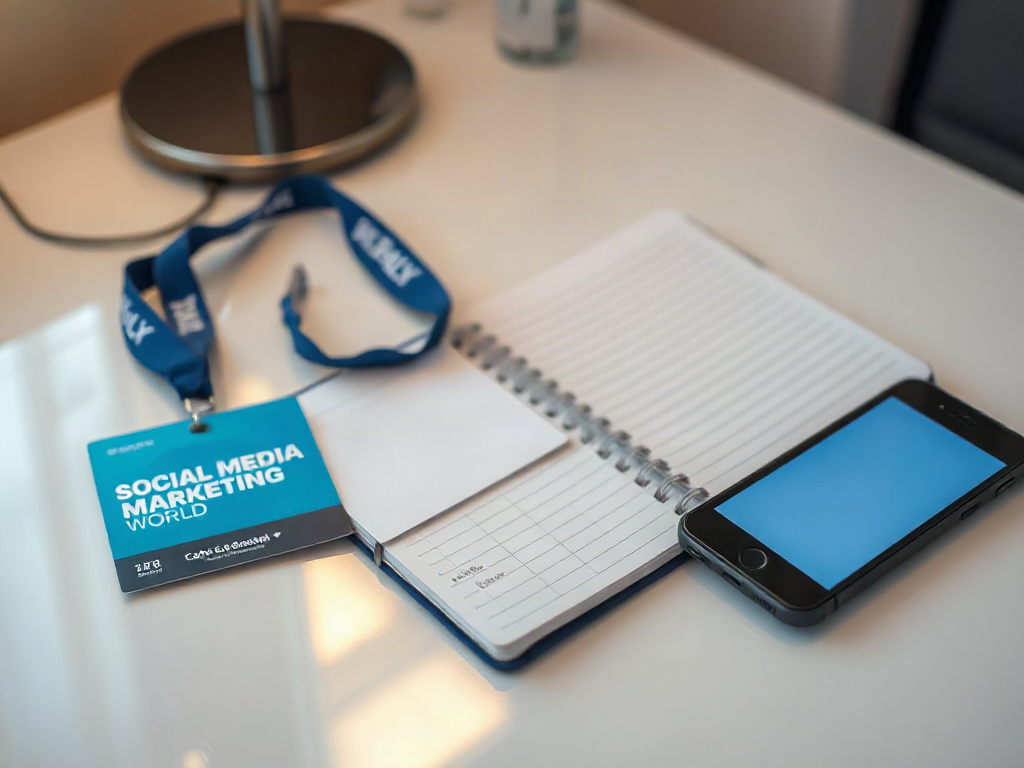
Social Media Marketing World event preparation means matching your conference pass, agenda, travel plans, and follow-up tasks to a specific marketing problem you need to solve. Check the organizer’s information for your event year before booking, because session access, recordings, venues, and ticket terms should never be assumed. Pick priority sessions and backups, then leave gaps for room changes and useful conversations. Prepare a short introduction, a mobile-friendly contact link, and one question for people you hope to meet. Set aside time after the conference to test a relevant idea and reconnect with contacts, rather than letting notes and business cards sit unused.
What you’ll learn
This guide covers the following practical points:
- Confirm Your Event Edition and Ticket Access — Your registration confirmation and the organizer’s pages for your event year should drive every booking decision.
- Set a Conference Goal and a Spending Limit — A useful conference goal names a business decision you want to make afterward.
- Build an Agenda With Backups and Breathing Room — Choose sessions by the decision they help you make, not by how familiar the speaker’s name looks.
- Prepare for Conversations, Not Contact Collection — A short, specific introduction makes it easier for another attendee to respond.
Confirm Your Event Edition and Ticket Access
Your registration confirmation and the organizer’s pages for your event year should drive every booking decision. Search results can surface older schedules, venue details, and ticket descriptions. Start at the official Social Media Marketing World website, confirm the edition, and compare its information with your purchase confirmation.
Read what your specific pass includes. Check access to sessions, workshops, networking activities, and recordings wherever those options are offered. Do not assume a recording replaces attendance: availability, included sessions, and viewing periods may differ by ticket or edition. Likewise, a session on the public agenda is not proof that your registration includes it.
Before making nonrefundable arrangements, review the ticket’s cancellation and transfer terms, the venue address, and the start and finish times for activities you intend to attend. Contact the organizer if two pages conflict. Save your confirmation, receipt, and relevant access instructions somewhere you can open without searching your inbox.
A frequent planning mistake is booking flights around the main session dates while overlooking an included activity before or after them. Check the full schedule first, then decide which parts justify extra lodging or time away.
Set a Conference Goal and a Spending Limit
A useful conference goal names a business decision you want to make afterward. “Get better at social media” will not help you choose between competing sessions. “Decide how to measure qualified inquiries from our social campaigns” gives you a clear reason to attend measurement sessions and ask specific questions.
Choose one primary goal and a secondary goal that will not compete with it. A small business owner might prioritize a manageable content production process, then look for peers serving a similar audience. An agency employee might focus on reporting client results, with a secondary goal of evaluating one tool category. You do not need to cover every platform to make the trip worthwhile.
Build the spending limit around the full trip, not just admission. Include transportation, lodging and applicable fees, meals not covered by registration, local travel, and any work coverage you need. Separate confirmed costs from estimates. A cheaper room may lose its advantage if it adds repeated rides and makes returning for evening activities impractical.
If an employer is paying, agree on the expected output before departure: perhaps a short team briefing, a revised reporting proposal, or one test plan. Avoid promising immediate revenue from attendance. You can commit to useful work after the event without claiming that every conversation or session will produce a sale.
Build an Agenda With Backups and Breathing Room
Choose sessions by the decision they help you make, not by how familiar the speaker’s name looks. Read descriptions for the intended audience, assumed experience, and promised level of detail. A broad platform update can help you spot changes, while a focused session may be better for solving a problem you already understand.
For each priority time slot, select a first choice and a backup. Check whether the organizer requires separate reservations or has other attendance rules. Keep room locations and the current schedule available offline, and recheck them close to the event. Leave realistic space for walking, meals, and conversations instead of treating every open minute as a session slot.
An Illustrative Session Choice
Suppose you manage paid social campaigns and your team disagrees about which leads deserve credit. Three hypothetical sessions overlap: an introductory platform walkthrough, a creative production session, and a measurement session. The measurement session is the strongest first choice if its description addresses your reporting problem and matches your experience. Creative production becomes the backup if you also need better test assets.
Write the question you want answered before entering: “Which reporting changes would help us distinguish more inquiries from better inquiries?” Afterward, note whether the session actually answered it. If not, use a permitted speaker question opportunity or seek a relevant follow-up resource. Popularity alone is not evidence that a session met your goal.
Prepare for Conversations, Not Contact Collection
A short, specific introduction makes it easier for another attendee to respond. State who you help, what you work on, and the problem you are exploring. For example: “I handle social content for a small service business, and I’m trying to connect our posts with better customer inquiries.” That gives the other person something more useful than a job title.
Prepare a contact destination that works on a phone. It might be your professional profile, a simple website page, or a digital contact card. Test any QR code on another device and make sure the destination is public where intended. Do not send a new acquaintance through a login screen or a complicated form just to stay in touch.
If the organizer offers an attendee community or networking tool, use it within its stated rules. Send a few relevant messages explaining why you would like to talk. A request about a shared challenge is easier to answer than a vague invitation to “connect.” Avoid filling every break with appointments; unexpected conversations need room too.
After a worthwhile exchange, record a brief reminder and any promised next step. Ask before adding someone to a mailing list or sharing their details with colleagues. A small set of conversations you can continue is more useful than a large contact list with no context.
Check Travel, Accessibility, and Your Daily Kit
Travel plans should account for the venue entrance, daily schedule, and your own access needs—not just the distance shown on a booking map. Check the actual route from your lodging and allow for registration, transportation delays, and finding rooms. If you need accessibility arrangements or dietary information, ask the organizer early rather than relying on assumptions.
Use a short departure checklist to catch problems while you still have time to fix them. The timing below is a suggested planning rhythm, not an organizer requirement.
| Suggested Timing | Preparation Check | Practical Purpose |
|---|---|---|
| One to two weeks before travel | Confirm lodging, transport, access requests, and work coverage. | Leave time to resolve missing arrangements. |
| About 48 hours before departure | Recheck organizer updates, weather, travel status, and ticket instructions. | Catch changes before leaving home. |
| The night before attendance | Download the agenda, charge devices, and pack registration details. | Reduce dependence on venue connectivity. |
| Each event morning | Review room locations, appointments, and your first-choice sessions. | Keep the day realistic as plans change. |
Carry comfortable footwear, a charger, any needed adapter, a notebook, and a manageable bag. A laptop is useful if you expect to do hands-on work, but it also adds weight and charging needs. Bring what your planned sessions require rather than your entire desk.
Arrange coverage for scheduled posts, account alerts, and urgent client questions before departure. Assign a backup contact and define what needs an immediate response. Otherwise, a routine approval request can pull you out of the session you traveled to attend.
Turn Session Notes Into Follow-Up and Tests
Conference notes should capture decisions and conditions, not attempt to reproduce every slide. For each useful idea, record the problem it addresses, the circumstances in which it might work, and what you would need to try it. Keep speaker claims separate from your own conclusions, especially when an example comes from a different audience, budget, or business model.
A practical note might read: “Test a clearer offer on one campaign’s landing page; keep the audience and ad creative unchanged where practical; review qualified inquiries as well as total submissions.” That is more useful than “improve conversions.” It names a change, limits competing changes, and connects the test to lead quality. It still does not promise the result will transfer to your account.
Before leaving, select one feasible experiment rather than a long list of unrelated changes. Identify an owner, required approvals, a budget if needed, and a review point suited to your normal campaign volume. Avoid judging a low-volume account after only a few responses. If you cannot describe how you will assess the idea, it may need more work before implementation.
Reserve time during the first week back for promised follow-ups and a brief team debrief. Explain what you recommend, what you are not adopting, and why. Check permission before circulating slides or session materials. Early evidence of a useful trip includes an informed decision, a test underway, or a relevant conversation continued—not simply a folder full of downloads.
Frequently Asked Questions
How far ahead should I start preparing for Social Media Marketing World?
Begin with ticket terms and travel arrangements as soon as you decide to attend. Develop your session shortlist when the relevant agenda becomes available, then check it again shortly before departure. Leave extra lead time if you need employer approval, accessibility arrangements, or international travel documents.
Can beginners get value from attending?
Beginners should look for sessions that match their experience and bring a concrete project to think through, such as planning content for one business. Check session descriptions for assumed knowledge. Advanced tactics are harder to apply when the basic audience, offer, or measurement process is still unclear.
Do I need to bring a laptop?
Check the requirements for any hands-on sessions you plan to attend. For talks and conversations, a phone and notebook may be enough. A laptop makes sense when you need specific software or live account work, provided you can manage its weight and charging needs.
What should I do if I am attending alone?
Arrange one low-pressure conversation ahead of time and prepare a simple introduction. Use organizer-supported networking options where available, or ask someone nearby what brought them to the session. You do not need to join every social activity; a few thoughtful exchanges are a reasonable goal.
How can I tell whether the conference was worth attending?
Compare the trip with the goal you set before registering. Look for decisions made, relevant relationships continued, and ideas tested after returning. Include the full cost and time away when reviewing value, and do not treat attendance or the number of collected contacts as proof of business results.
Conclusion
The strongest preparation protects your limited time before, during, and after the conference. Verify your ticket and travel details first, then let a specific business problem shape your agenda. Keep enough flexibility for a changed schedule, a useful conversation, or a break when your attention starts to fade.
Before departure, put your priority sessions, contact link, travel details, and work coverage in place. Book a post-event review on your calendar too. You do not need to return with a new approach to every platform; one well-chosen idea that your team can assess is a more realistic target.