Marketing Materials That Send Visitors to Your Website
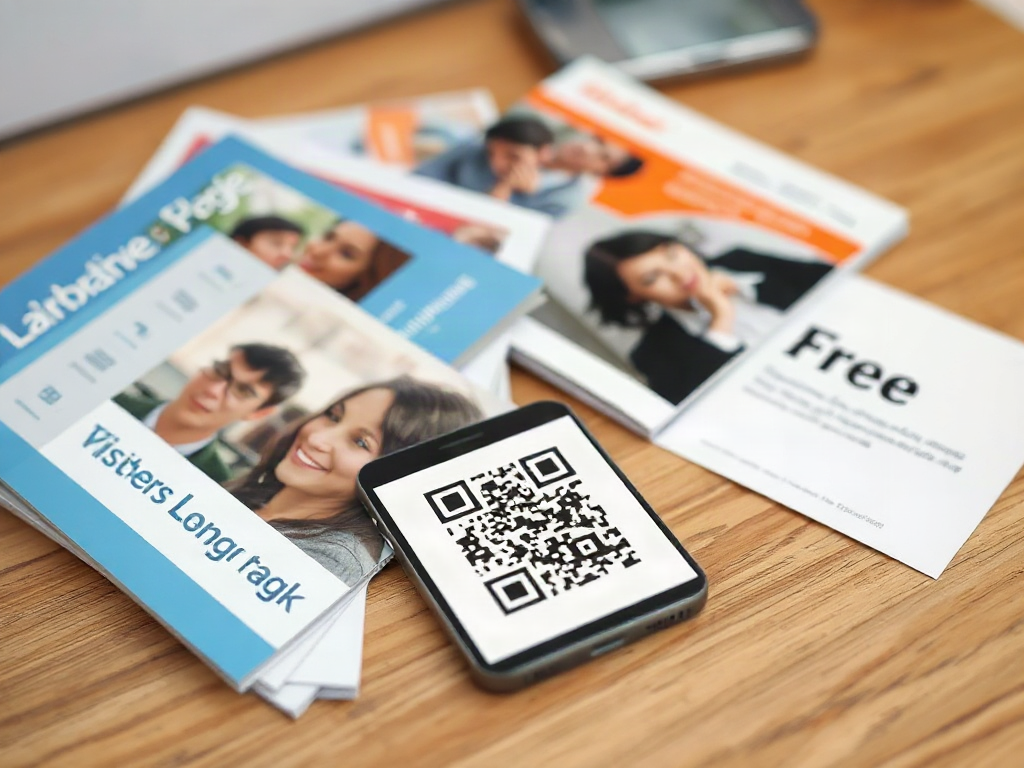
Marketing materials that send visitors to your website turn offline or digital attention into site visits by pairing a useful next step with a clear link or scannable QR code. Business cards, postcards, brochures, packaging inserts, email signatures, and downloadable PDFs work best when their message leads to a matching page rather than a general homepage. Give readers a specific reason to go, such as checking service options, viewing product details, or requesting a sample, and show a readable web address alongside printed codes. Before distributing a batch, test the mobile destination and use campaign tracking to compare meaningful inquiries, not just scans.
What you’ll learn
This guide covers the following practical points:
- Match the Material to the Reader’s Setting — A postcard arriving at someone’s desk has a different job from a brochure handed over during a sales conversation.
- Send Readers to a Page That Delivers the Promise — The website destination should fulfill the invitation on the material without making visitors search again.
- Make Printed Codes and Digital Links Easy to Use — Printed materials need a usable route for both scanning and typing.
- Measure Visits and Inquiries by Material — Campaign tracking should distinguish where a visit came from and what happened after arrival.
Match the Material to the Reader’s Setting
A postcard arriving at someone’s desk has a different job from a brochure handed over during a sales conversation. The postcard must explain its value without help. The brochure can build on a discussion already underway. Choose materials around the attention and context readers will have, not simply around available print sizes.
Materials already in regular use are often the most practical starting point. A business card, order insert, or sales PDF gives you a place to add a useful website invitation without creating a separate distribution project. A new mailing or event handout also needs a plan for reaching the right people; printing alone does not create traffic.
| Material | Useful website invitation | Main constraint |
|---|---|---|
| Business card | View services or book a follow-up | Little room for explanation |
| Direct-mail postcard | Check a specific offer or request details | Must make sense without a conversation |
| Brochure or sales sheet | Compare specifications or view project work | The destination must continue the same subject |
| Packaging insert | Find setup instructions or compatible accessories | The reader is already a customer |
| Email signature or PDF | Open a relevant service or appointment page | Links must remain clickable in the delivered file |
A roadside sign presents another constraint: a driver cannot safely scan a code. Favor a short, memorable address there. Reserve detailed instructions and QR codes for settings where people can stop, read, and use a phone.
Send Readers to a Page That Delivers the Promise
The website destination should fulfill the invitation on the material without making visitors search again. A product sheet promising dimensions should open the relevant specifications. A card offering an appointment should lead to scheduling information, not a page where readers must hunt through menus.
Use one primary action for each piece. A brochure can contain supporting information, but competing requests to call, subscribe, browse products, follow accounts, and book a meeting can obscure the intended next step. Make the main invitation prominent and place the address or code beside it.
Illustrative example: A print shop hands out a postcard at a business event offering a paper-and-finish sample pack. The card says, “Compare paper stocks in person—request a sample pack.” Its code and short address lead to a page showing what the pack contains, any delivery limits, and a short request form. Sending that reader to a general printing homepage would leave the advertised offer unfinished.
A dedicated landing page is useful when an offer needs its own explanation or form. An existing service page is enough when it already answers the promised question and makes the next step obvious. Avoid building extra pages merely to give every piece a different destination; separate tracking links can identify materials that share the same relevant page.
Make Printed Codes and Digital Links Easy to Use
Printed materials need a usable route for both scanning and typing. Pair a QR code with a short address on a domain the business controls. The address gives readers an alternative when scanning is inconvenient and makes the destination less mysterious than an unexplained code.
Use strong contrast and leave clear space around the code. A code that works on a bright monitor may fail after printing on textured paper, shrinking into a crowded layout, or wrapping around packaging. There is no single reliable size for every setting: viewing distance, print quality, and the amount of encoded information all affect usability. Test the finished piece at the distance someone will actually use it.
Digital materials need clickable links first. A person reading a PDF on a phone should not have to scan a code displayed on that same phone. Link descriptive text such as “View brochure paper options,” and check the exported PDF rather than assuming links survived the design process.
Before approving a print run or sending a file, complete a short preflight check:
- Scan the physical proof with more than one phone.
- Type the printed address and confirm it reaches the intended page.
- Open digital links from the final email or exported document.
- Complete the destination’s form on a phone and check that the submission arrives.
For long-lived materials, a redirect under your own domain lets you change the destination without replacing the printed address. Keep that redirect active and document who maintains it. Third-party QR services can add subscription costs or dependence on a provider.
Measure Visits and Inquiries by Material
Campaign tracking should distinguish where a visit came from and what happened after arrival. Give each material a separate tagged link or redirect, even when several pieces promote the same offer. Otherwise, a brochure, postcard, and event card may appear as one undifferentiated stream of visits.
UTM parameters are labels added to a destination link for analytics reporting. For the sample-pack example, the event postcard could use a source label for the event, a medium of print, and a campaign name such as sample_pack. A mailed version would use a different source. Keep these labels consistent and lowercase so small naming differences do not split reports unnecessarily.
Track a meaningful website action alongside visits: completed sample requests, appointment bookings, quote submissions, or another action tied to the printed promise. A busy landing page with few completed requests may point to an unclear offer, an unexpected charge, or a form that is difficult to use. Low visits call for a different check: distribution, audience fit, visibility of the invitation, and whether the code works.
Do not treat a provider’s scan count as a count of interested people. Repeat scans, link previews, analytics settings, and visitors declining tracking can produce differences between reports. People may also remember the business and return later through search. Use the available data as directional evidence, and compare cost per qualified inquiry rather than judging materials by raw traffic alone.
Frequently Asked Questions
Should a business card link to the homepage or a specific page?
A homepage is reasonable for a general introduction if it clearly explains the business and provides an obvious contact route. Use a specific page when the card supports a defined purpose, such as booking a consultation or viewing a portfolio.
Can I use the same QR code on every marketing material?
Yes, but a shared code makes it harder to identify which material brought the visitor. Separate tracked destinations are more useful when comparing placements. Both the QR code and printed address on each piece should fulfill the same promise.
Do printed QR codes expire?
The printed pattern does not have a built-in expiration date, but its destination can stop working. A domain may lapse, a page may move, or a redirect service may restrict access. Check the provider’s terms and keep the underlying destination active.
Will sending visitors from printed materials improve search rankings?
Print-driven visits should not be treated as a direct search-ranking tactic. Their main value is bringing an interested audience to relevant pages. Measure inquiries, purchases, or other useful actions rather than assuming that additional traffic will raise rankings.
How can I measure a campaign if customers call instead of filling out a form?
Give the material a recognizable offer name or reference code that staff can record, and ask callers how they found the business. Record qualified inquiries consistently. Customer recall is imperfect, so treat those answers as supporting evidence rather than exact attribution.
Conclusion
Improve one material before redesigning the whole set. Choose a piece that already reaches likely customers, give it a specific website invitation, and make sure the destination delivers what it promises. Test the printed or digital route yourself, then watch both visits and completed inquiries. When results disappoint, separate a distribution problem from a website problem before spending more on printing. A polished piece cannot compensate for a broken link or an offer readers do not understand.