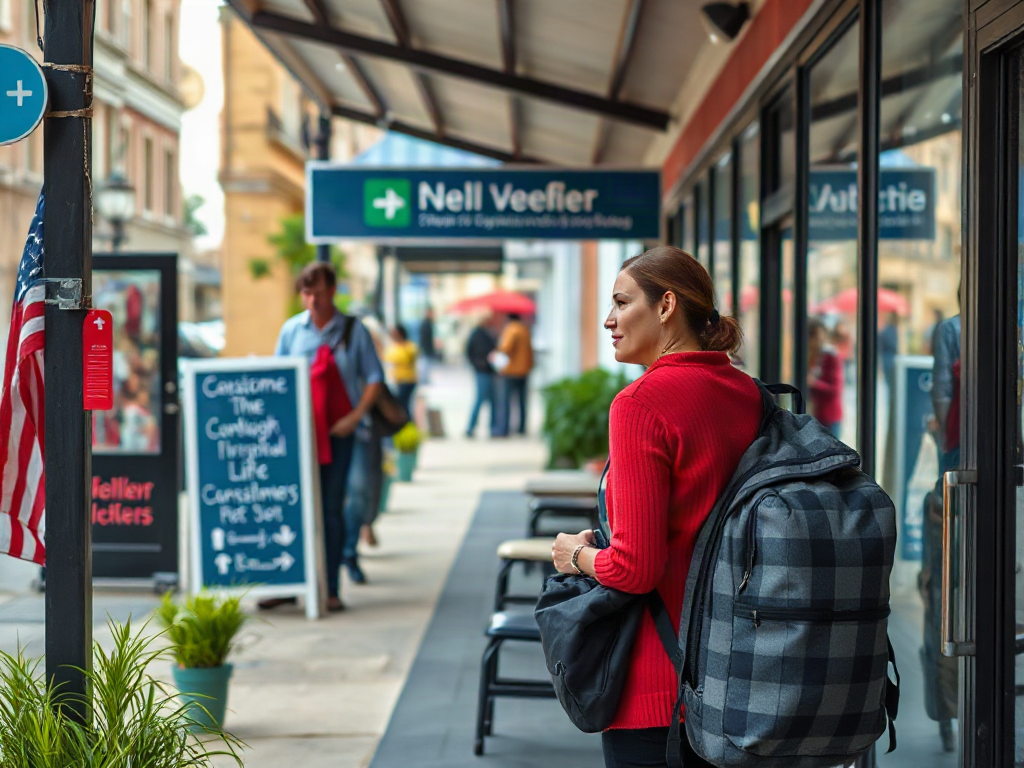
the role of social proof in local marketing success and how reviews influence consumer trust and conversions

Social proof plays a vital role in local marketing success by establishing trust and credibility through authentic community signals like reviews, testimonials, and local endorsements. Positive customer reviews, especially from local residents, significantly influence consumer decisions by reducing perceived risk and demonstrating consistent quality. To maximize impact, businesses should actively solicit genuine feedback and showcase customer stories across platforms like Google and social media. Avoiding fake reviews and ensuring transparency are key to maintaining trust, which ultimately drives higher conversions and strengthens reputation in competitive local markets.
What you’ll learn
This guide covers the following practical points:
- Understanding Social Proof in Local Marketing — Social proof refers to the influence that the actions and opinions of others have on consumer behavior, especially in local markets where community trust heavily impacts purchasing decisions.
- How Consumer Reviews Drive Trust and Credibility — Consumer reviews are among the most impactful forms of social proof because they provide firsthand, relatable insights into a business’s offerings.
- Strategies for Building Effective Social Proof — Building social proof requires proactive engagement and strategic collection of customer feedback.
- Common Pitfalls and How to Avoid Them — One of the biggest mistakes is relying on fake or overly curated reviews, which can damage reputation if uncovered.
Understanding Social Proof in Local Marketing
Social proof refers to the influence that the actions and opinions of others have on consumer behavior, especially in local markets where community trust heavily impacts purchasing decisions. In the context of local marketing, social proof manifests through reviews, testimonials, ratings, and community endorsements that demonstrate a business’s reliability and quality. Its importance is rooted in human psychology; people tend to follow the lead of others when uncertain, making social proof a powerful tool for local businesses seeking to establish credibility quickly.
Effective social proof leverages local reputation signals such as Google reviews, Facebook recommendations, and customer photos shared on social media. These signals serve as informal endorsements, reducing perceived risk for new customers and encouraging engagement. A common misconception is that social proof only matters for large brands; in reality, local businesses that actively cultivate authentic community signals often outperform competitors who neglect this aspect of trust-building.
How Consumer Reviews Drive Trust and Credibility
Consumer reviews are among the most impactful forms of social proof because they provide firsthand, relatable insights into a business’s offerings. When potential customers see positive reviews from local residents, they interpret these as proof of consistent quality and trustworthy service. Reviews influence not only online reputation but also offline foot traffic, as many consumers research reviews before visiting in person.
Mechanisms behind this influence include social validation, where seeing others’ positive experiences reduces uncertainty, and social comparison, which helps consumers gauge whether a business meets their expectations. For example, a local restaurant with high ratings and numerous positive comments about cleanliness and service is more likely to attract walk-in customers than a competitor lacking reviews. However, fake or manipulated reviews can undermine credibility, so authentic, transparent feedback is crucial for maintaining trust.
Strategies for Building Effective Social Proof
Building social proof requires proactive engagement and strategic collection of customer feedback. Start by encouraging satisfied customers to leave reviews through follow-up emails, in-store prompts, or incentives. Ensuring that review collection is easy and accessible—such as linking directly to review platforms—can increase participation rates.
Showcasing reviews prominently on your website, social media, and local listings reinforces credibility. Incorporating customer testimonials into marketing materials humanizes your brand and demonstrates genuine community involvement. Additionally, leveraging local endorsements, partnerships, and community events can generate organic social proof that resonates with nearby consumers. It’s important to respond promptly and professionally to reviews, whether positive or negative, as this demonstrates engagement and commitment to customer satisfaction.
Common Pitfalls and How to Avoid Them
One of the biggest mistakes is relying on fake or overly curated reviews, which can damage reputation if uncovered. Authenticity matters more than volume; consumers are adept at spotting inauthentic feedback. Another pitfall is neglecting to respond to reviews, missing opportunities to demonstrate attentiveness and resolve issues.
Businesses often underestimate the importance of visual social proof, such as photos or videos shared by customers, which can be more convincing than text alone. A lack of consistency in gathering and showcasing social proof can also limit its effectiveness. To avoid these issues, establish clear processes for review solicitation, actively engage with customers online, and focus on authentic, community-driven signals that build long-term trust.
Measuring the Impact of Social Proof on Business Outcomes
Assessing the influence of social proof involves tracking key metrics like review volume, average star ratings, and engagement levels on social media. Linking these indicators to business results—such as increased foot traffic, online conversions, or sales—can clarify their strategic value. Tools like Google My Business insights and social media analytics help quantify the correlation between social proof efforts and customer actions.
Additionally, monitoring changes in online reputation scores and customer feedback patterns over time provides insight into how social proof influences consumer perception. Businesses should set clear goals for social proof initiatives, such as achieving a specific review count or rating threshold, and regularly review performance to refine their strategies. Recognizing that social proof is an ongoing cycle, continuous effort to gather, showcase, and respond to feedback remains essential for sustained success.
Frequently Asked Questions
What are the best ways to encourage customers to leave reviews?
Ask for reviews directly after a positive experience, simplify the review process with direct links, and offer incentives that do not bias the feedback.
Can fake reviews harm my business?
Yes, fake reviews undermine credibility and can lead to penalties from review platforms or damage to your reputation if discovered.
How should I respond to negative reviews?
Respond professionally, acknowledge the issue, offer solutions, and demonstrate your commitment to customer satisfaction to mitigate damage and rebuild trust.
What types of social proof are most effective locally?
Customer reviews, testimonials, community endorsements, user-generated photos, and local awards tend to have the greatest influence on local consumer decisions.
Conclusion
Integrating authentic social proof into your local marketing strategy is essential for building trust, enhancing reputation, and increasing conversions. Focus on actively gathering genuine reviews, showcasing customer stories, and engaging with your community to strengthen your credibility. Regularly monitor your social proof signals and respond promptly to feedback to maintain a positive reputation. Prioritizing transparency and authenticity ensures that your social proof efforts translate into tangible business growth, especially in competitive local markets. Developing a systematic approach to collect and leverage community signals will position your brand as a trusted local authority and drive sustained success.